Restoration Tips & Insights from Warrior Restoration LLC
How Can Insurance Help After Water or Fire Damage?
When Disaster Hits, What Role Does Insurance Really Play?
A burst pipe floods your kitchen. A small electrical fire fills your home with smoke. In the aftermath of water or fire damage, most homeowners in McKinney, Texas feel overwhelmed — not just by the damage itself, but by the uncertainty of what insurance will actually cover.
Insurance is meant to reduce financial strain after sudden property damage. But understanding how it applies to water or fire restoration is essential before repairs begin.
This guide explains how homeowners insurance typically works after water or fire damage, what it may cover, and how the claims process unfolds in McKinney, Texas.
What Types of Damage Does Insurance Usually Cover?
Coverage depends on your specific policy, but most standard Texas homeowner policies include protection for sudden and accidental events.
Fire Damage Coverage
Most policies cover:
Structural fire damage
Smoke damage
Soot cleanup
Water damage caused by firefighting efforts
Temporary housing if the home is uninhabitable
Fire damage claims are typically straightforward, provided the fire was not caused by neglect or intentional action.
Water Damage Coverage
Water coverage is more nuanced.
Typically covered:
Burst pipes
Sudden plumbing failures
Appliance malfunctions
HVAC leaks
Typically not covered:
Flooding from rising water (requires flood insurance)
Long-term leaks
Gradual deterioration
In McKinney, Texas, storm-related water intrusion may be covered if it results from sudden damage, such as wind tearing off roofing materials.
Understanding whether the water event is classified as sudden or gradual significantly impacts claim approval.
How Insurance Helps Financially After Damage
Insurance can provide financial relief in several key ways.
Paying for Emergency Mitigation
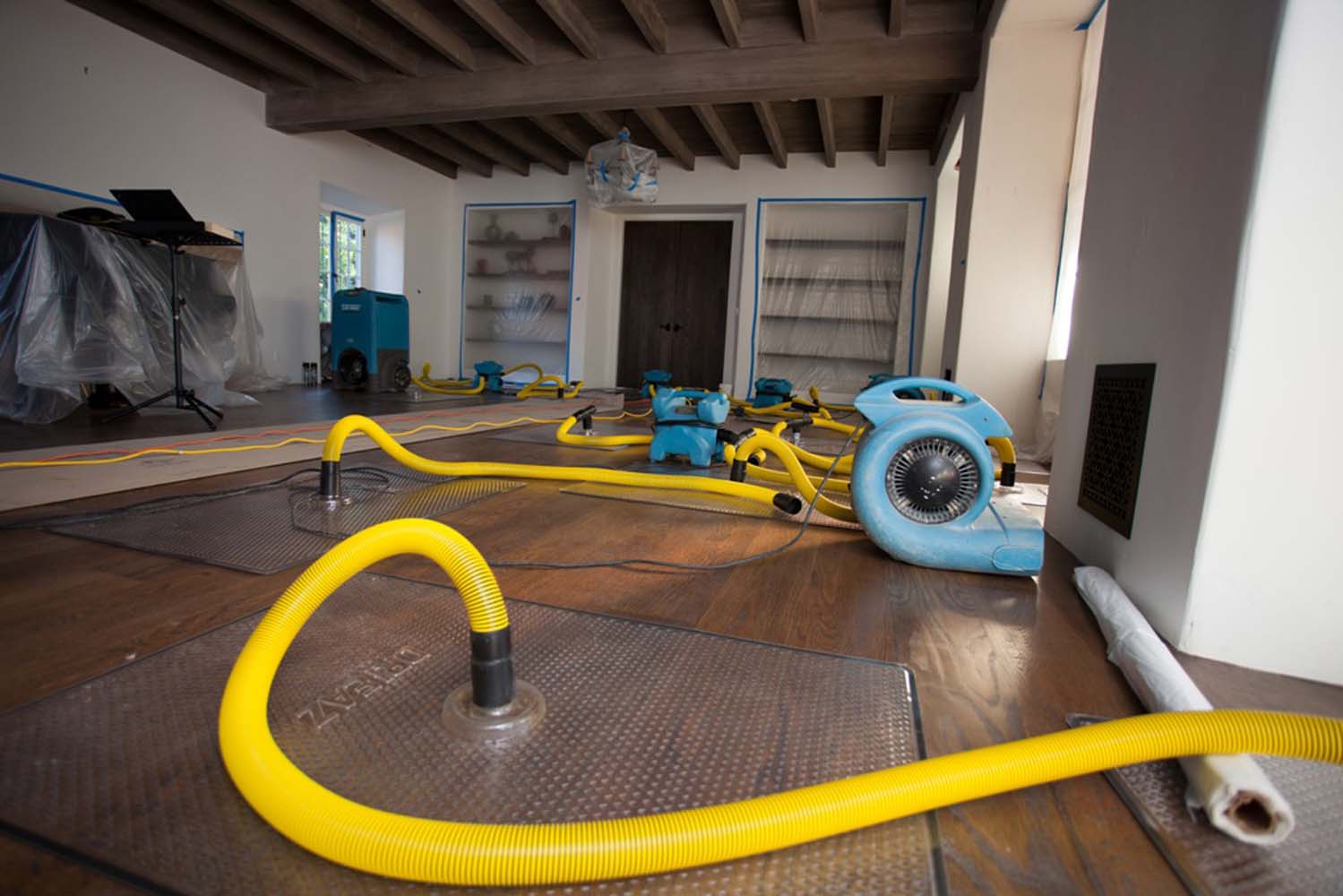
After water or fire damage, mitigation begins immediately. This may include:
Water extraction
Structural drying
Smoke cleanup
Property stabilization
Insurance often covers these emergency services because they prevent further loss.
Covering Repairs and Reconstruction
Once mitigation is complete, insurance may pay for:
Drywall replacement
Flooring repairs
Cabinet reconstruction
Roof repair
Structural framing
Coverage limits depend on your policy’s dwelling coverage amount.
Replacing Personal Belongings
Most policies include personal property coverage. This may reimburse you for:
Furniture
Electronics
Clothing
Appliances
Documentation, photos, and receipts support this portion of the claim.
Additional Living Expenses (ALE)
If your McKinney home becomes temporarily uninhabitable, insurance may pay for:
Hotel stays
Short-term rental housing
Food expenses beyond normal costs
This is known as loss of use coverage.
The Insurance Claims Process Step-by-Step
Understanding the sequence helps reduce confusion.
Step 1: Notify Your Insurance Company
Contact your insurer as soon as possible after the incident. Provide basic details about the damage.
Step 2: Begin Emergency Mitigation
Most policies require you to prevent further damage. Delays can affect coverage eligibility.
Step 3: Inspection by an Adjuster
An insurance adjuster will assess the damage and determine coverage scope.
Step 4: Estimate and Scope Approval
Restoration professionals create a detailed estimate outlining mitigation and repair work. The adjuster reviews and approves eligible costs.
Step 5: Payment and Repairs
Payments are typically issued in stages. Repairs begin once approvals are secured.
Clear documentation and communication are critical throughout the process.
Common Insurance Challenges After Water or Fire Damage
While insurance can be extremely helpful, homeowners may encounter issues.
Coverage Disputes
Insurance companies may question:
Cause of loss
Whether damage was sudden or gradual
Scope of required repairs
Providing detailed documentation helps support your claim.
Deductibles
Your deductible is the amount you must pay before insurance coverage applies. For example, if your deductible is $1,000 and repairs total $8,000, insurance may pay $7,000.
Coverage Limits
Policies have caps on certain categories, such as mold remediation or personal property replacement.
Reviewing your policy in advance helps avoid surprises.
Why Quick Action Matters in McKinney, Texas
McKinney’s climate plays a role in damage progression.
Warm temperatures accelerate mold growth after water damage
Smoke residues can corrode surfaces quickly
Humidity can worsen secondary damage
Insurance expects homeowners to act promptly to mitigate losses. Delayed response may lead to partial claim denial.
Working with a local restoration provider familiar with McKinney building styles and climate conditions helps ensure documentation aligns with insurance requirements.
Frequently Asked Questions
Does homeowners insurance always cover fire damage?
In most cases, yes. Standard policies typically cover fire and smoke damage unless exclusions apply.
Is flood damage covered under regular insurance?
No. Flood damage from rising water requires a separate flood insurance policy.
Will insurance pay for mold after water damage?
If mold results from a covered sudden event, some coverage may apply. However, many policies limit mold reimbursement amounts.
How long does the claims process take?
Simple claims may resolve in a few weeks. Complex fire damage claims can take longer due to scope and approvals.
Should I get multiple repair estimates?
Insurance may require estimates, but working with a restoration provider experienced in insurance documentation can streamline approvals.
Final Thoughts on Insurance After Water or Fire Damage
Insurance plays a vital role in helping homeowners recover financially after sudden water or fire damage. It can cover mitigation, repairs, temporary housing, and personal property replacement — but coverage depends on policy details and proper documentation.
For homeowners in McKinney, Texas, acting quickly and working with experienced restoration professionals ensures that damage is stabilized while insurance requirements are met.
Navigating insurance claims can feel overwhelming during an already stressful time. Warrior Restoration LLC works with property owners to document damage thoroughly and support a smoother restoration process after water or fire events.

Our Services
Water Damage Restoration
Other Services
Helpful Links
Contact Information
Serving McKinney, Collin County & Texoma
Business Hours:
Open 24 Hours