Restoration Tips & Insights from Warrior Restoration LLC
Understanding How Long Water Damage Restoration Usually Takes
Introduction
Homeowners rarely expect water damage, but once it happens, the biggest concern is often time. How long will it take before the home is dry, clean, and safe again? The answer depends on how far the water spread, the materials involved, and how quickly action was taken. This blog breaks down realistic restoration timelines—not generic averages—so you know what influences the duration from start to finish.
What Determines the Length of Water Damage Restoration?
Restoration isn’t based on a preset clock. Water behaves differently depending on the source, the home’s layout, and the level of moisture that seeped into structural materials. Timelines shift because every home dries at a different rate.
Core Factors That Shape the Timeline
How Much Water Entered the Home
A small appliance leak dries much faster than a flooded room. More water equals more extraction, more equipment, and longer structural drying.
How Long Materials Were Wet Before Restoration Began
Water that’s caught early only saturates the surface. Water that sits for hours or days penetrates deeper into drywall, flooring, insulation, and subflooring—adding days to the timeline.
The Types of Materials Affected
Drywall, carpet, and trim dry faster. Hardwood floors, insulation, cabinets, and multi-layered materials hold moisture longer and prolong the process.
Hidden Moisture Spread
Water often travels behind walls, under flooring, and across rooms. More migration means more monitoring and a longer drying cycle.
Typical Timeline Breakdown for Water Damage Restoration
The duration becomes clearer when you break the process into stages rather than thinking of it as a single block of time. Each step has its own pace and purpose.
Initial Inspection and Moisture Mapping (1–3 hours)
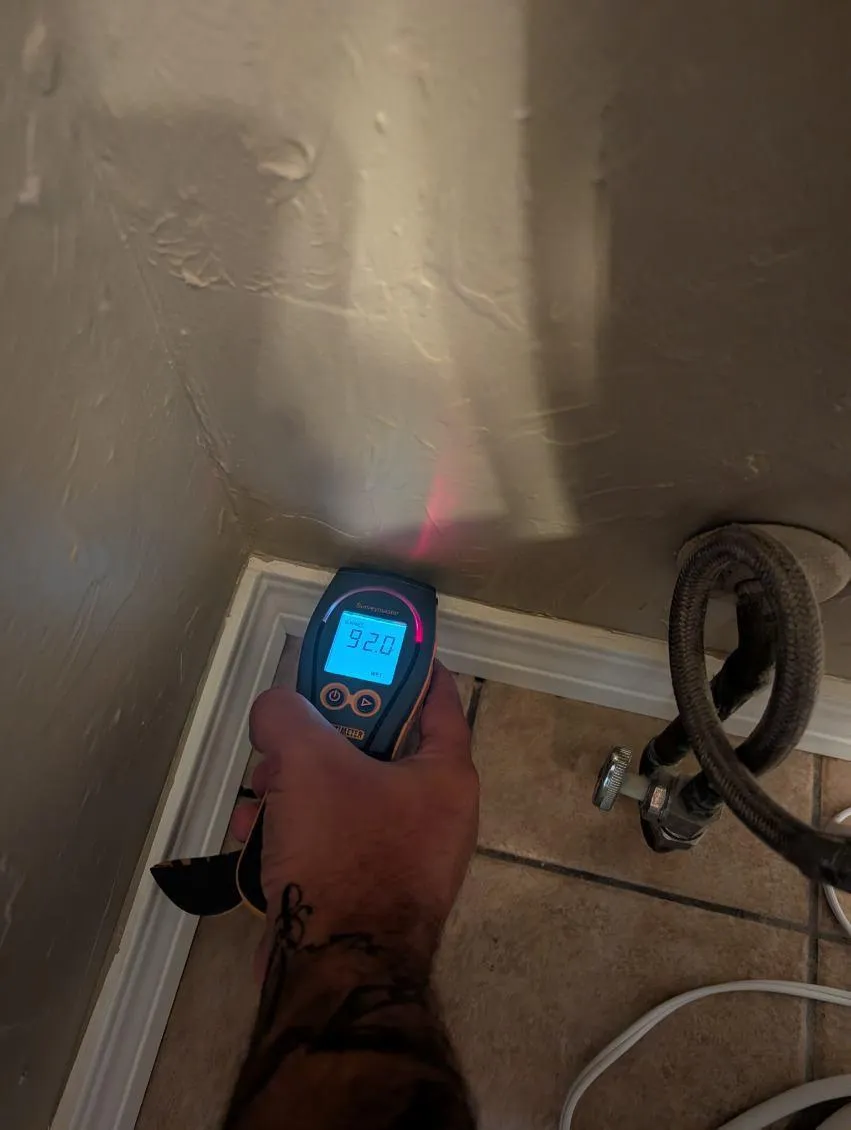
Crews document moisture levels, locate hidden pockets, and determine how far the damage has spread. This shapes the entire timeline.Water Extraction (Same day)
Standing water is removed immediately. Faster extraction means a shorter overall restoration time.Demolition—If Needed (Same day to 1 day)
Only unsalvageable materials are removed. Minor incidents require little to no demolition; major saturation needs more time.Structural Drying (2–5 days on average)
This is the core of the timeline. Air movers and dehumidifiers run continuously until moisture readings return to normal. Deep saturation or stubborn materials extend drying.Sanitizing and Odor Treatment (Same day as drying or the day after)
Antimicrobial treatments and odor neutralizers are applied to prevent microbial issues.Repairs and Reconstruction (Several days to a few weeks depending on materials)
Cosmetic restoration varies widely. Replacing drywall and paint is quick; specialty flooring or cabinetry adds time.
Why Restoration Can Sometimes Take Longer Than Expected
Every homeowner wants the process done fast—but cutting corners leads to mold, structural weakness, and repeated repairs. Several situations naturally slow the timeline, even with professional equipment.
Before assuming delays mean something went wrong, consider the realities below:
• Saturated insulation behind walls requires more drying time.
• Multi-layer flooring traps moisture between layers.
• Texas humidity can slow evaporation.
• Hidden wet spots discovered mid-process extend monitoring.
• Specialty flooring or finishes require extended replacement time.
These conditions aren’t avoidable—they’re part of ensuring the home is restored correctly, not just quickly.
Frequently Asked Questions
Can water damage really be dried in 24 hours?
Not typically. Even small leaks often require at least two days of monitored drying to ensure hidden moisture is fully removed.
Does running my own fans speed things up?
Household fans aren’t strong enough to dry structural materials. They can help air movement, but they can’t replace commercial drying equipment.
Why does hardwood flooring take longer to dry?
Wood absorbs water deeply and slowly. It needs sustained, controlled drying to prevent cupping, warping, or permanent damage.
Does rain or humidity affect drying time?
Yes. High humidity reduces evaporation, so dehumidifiers may need to run longer to maintain proper drying conditions.
Can reconstruction start before drying is finished?
No. Placing new materials over trapped moisture causes mold, odors, and structural failure. Rebuilding only starts once moisture levels are fully stabilized.
Conclusion
Water damage restoration takes time because proper drying and monitoring protect the structure from long-term problems. While simple incidents can resolve quickly, more complex cases require several days of controlled drying and careful evaluation. Understanding the factors that shape the timeline helps homeowners set realistic expectations and make informed decisions during the process.

Our Services
Water Damage Restoration
Other Services
© 2025 All Rights Reserved | Warrior Restoration LLC