Restoration Tips & Insights from Warrior Restoration LLC
What Happens During a Full Fire Damage Restoration Process?
After the Fire Is Out, What Comes Next?
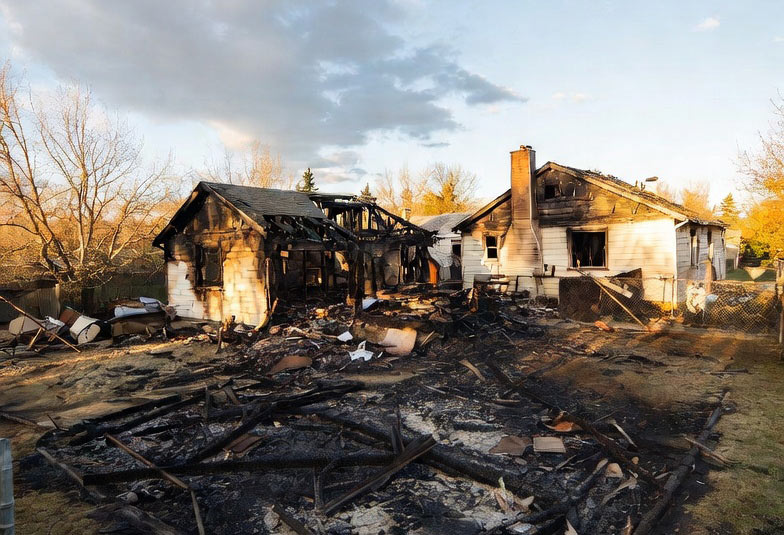
When a fire damages your home, the immediate crisis may be over once the flames are extinguished — but the restoration journey is just beginning.
For homeowners in McKinney, Texas, a full fire damage restoration process involves far more than cleaning visible soot. Smoke, water from firefighting efforts, structural instability, and lingering odors all require coordinated mitigation and repair.
If you’re wondering what actually happens during a complete fire damage restoration, this guide walks you through each phase — from emergency response to final reconstruction.
Phase 1: Emergency Response and Property Stabilization
The first priority is protecting the structure from further damage.
In McKinney, Texas, restoration teams typically begin with:
Securing the property (boarding up broken windows or doors)
Tarping damaged roofing
Assessing structural safety
Shutting off utilities if needed
Stabilization prevents weather exposure, theft, and additional deterioration.
This stage may also include documenting the damage for insurance purposes.
Phase 2: Detailed Inspection and Damage Assessment
A full fire damage restoration begins with a comprehensive evaluation.
Technicians inspect:
Burn patterns and structural impact
Smoke and soot spread
Water saturation from firefighting efforts
HVAC contamination
In McKinney homes, open floor plans and attic ventilation systems often allow smoke to travel farther than homeowners expect.
The assessment determines whether materials can be cleaned or must be removed.
Phase 3: Water Removal and Drying (If Applicable)
Many fire restoration projects involve water damage.
Fire suppression efforts often leave:
Standing water
Saturated drywall
Warped flooring
Wet insulation
Water extraction and structural drying begin immediately to prevent mold growth — especially important in McKinney’s warm climate.
This stage typically involves:
Water extraction
Industrial air movers
Dehumidifiers
Daily moisture monitoring
Fire and water mitigation frequently overlap during this phase.
Phase 4: Debris Removal and Controlled Demolition
Once the property is stabilized and dried, removal of irreparably damaged materials begins.
This may include:
Burned framing
Charred drywall
Damaged cabinetry
Insulation and flooring
Controlled demolition ensures that only structurally unsalvageable materials are removed.
In many McKinney homes, partial demolition is required in kitchens, attics, or garage spaces after a fire event.
Phase 5: Smoke and Soot Cleanup
Soot removal is one of the most labor-intensive parts of fire damage restoration.
Soot can be:
Oily and sticky (protein fires)
Dry and powdery (wood fires)
Acidic (electrical fires)
Cleaning methods vary depending on the type of residue.
Professional fire restoration includes:
HEPA vacuuming
Chemical sponge cleaning
Surface scrubbing
Deep cleaning of ceilings, walls, and fixtures
Without proper soot removal, surfaces may discolor or corrode over time.
Phase 6: Odor Neutralization
Smoke odor can persist long after surfaces appear clean.
Odor removal methods may include:
Thermal fogging
Ozone treatment
Hydroxyl generators
HEPA air scrubbing
In McKinney, Texas homes with central HVAC systems, duct cleaning is often necessary if smoke spread through vents.
Odor removal continues until indoor air quality is restored.
Phase 7: Repairs and Reconstruction
Once mitigation and cleaning are complete, the restoration shifts into rebuilding.
Reconstruction may involve:
Drywall replacement
Painting
Flooring installation
Cabinet installation
Roof repair
Structural framing
Depending on fire severity, reconstruction may take several weeks or longer.
The goal is returning the home to its pre-loss condition — or better.
How Long Does a Full Fire Damage Restoration Take?
Timeline depends on severity.
Minor smoke damage: Several days to 1–2 weeks
Moderate structural impact: 2–6 weeks
Major structural fire: Several months
Delays may occur due to insurance approvals, material availability, or permitting requirements in McKinney, Texas.
The Role of Insurance in the Restoration Process
Most homeowner policies in Texas cover:
Fire damage
Smoke damage
Firefighting water damage
The restoration company typically documents:
Scope of loss
Mitigation efforts
Equipment usage
Material removal
Clear documentation helps streamline insurance claim processing.
Understanding coverage limits and deductibles is important before reconstruction begins.
Frequently Asked Questions
Can everything be restored after a fire?
Not always. Heavily charred structural components and porous materials may require removal and replacement.
Is it safe to stay in the home during restoration?
For small fires, possibly. For larger losses involving smoke contamination and demolition, temporary relocation is often recommended.
How soon should restoration begin?
Immediately after emergency stabilization. Delays increase soot damage and odor penetration.
Does smoke always spread beyond the burned area?
Yes. Smoke can travel through ventilation systems and open spaces, even if flames were contained to one room.
What is the most expensive part of fire restoration?
Structural rebuilding and extensive smoke contamination typically represent the highest costs.
Final Thoughts on the Fire Damage Restoration Process
A full fire damage restoration process involves far more than cleaning visible burn marks. It includes stabilization, water mitigation, soot removal, odor neutralization, and structural rebuilding.
For homeowners in McKinney, Texas, quick professional intervention helps limit long-term damage and reduce overall restoration costs. Each fire creates a unique damage pattern, which is why a structured, phased restoration approach is essential.
When facing fire damage, working with a local restoration provider familiar with McKinney construction styles and climate conditions can make the recovery process more efficient and thorough. Warrior Restoration LLC provides comprehensive fire damage restoration services designed to stabilize, clean, and rebuild properties with careful attention to both visible and hidden damage.

Our Services
Water Damage Restoration
Other Services
Helpful Links
Contact Information
Serving McKinney, Collin County & Texoma
Business Hours:
Open 24 Hours