Rental Turnovers
Marijuana Odor Removal
A unit that smells doesn't show and doesn't lease. We take marijuana odor out of vacant rentals and listings: find the material that absorbed the smoke, get it out of the unit, and hand back a finished space. We answer at any hour and respond within an hour.
Request Help Online
Where It Sits
What's Actually Holding the Smell
Marijuana smoke moves like any other smoke. What a turnover changes is where it's left behind. If the carpet is already out, the pad under it is still holding what the room smelled like, and the air handler ran through the whole tenancy either way. So the strongest smell in an empty unit is rarely coming off the surface you're standing next to.
We read the unit by material. On the walk-through we open the cabinets, pull the return filter, and check where the smell concentrates against what that wall is built from. The scope comes back naming what's holding it and what can be cleaned where it sits. The read costs you nothing.
The Work
What a Turnover Odor Job Includes
Not every unit needs all of it. The on-site read decides which of these a unit gets.
Thermal Fogging
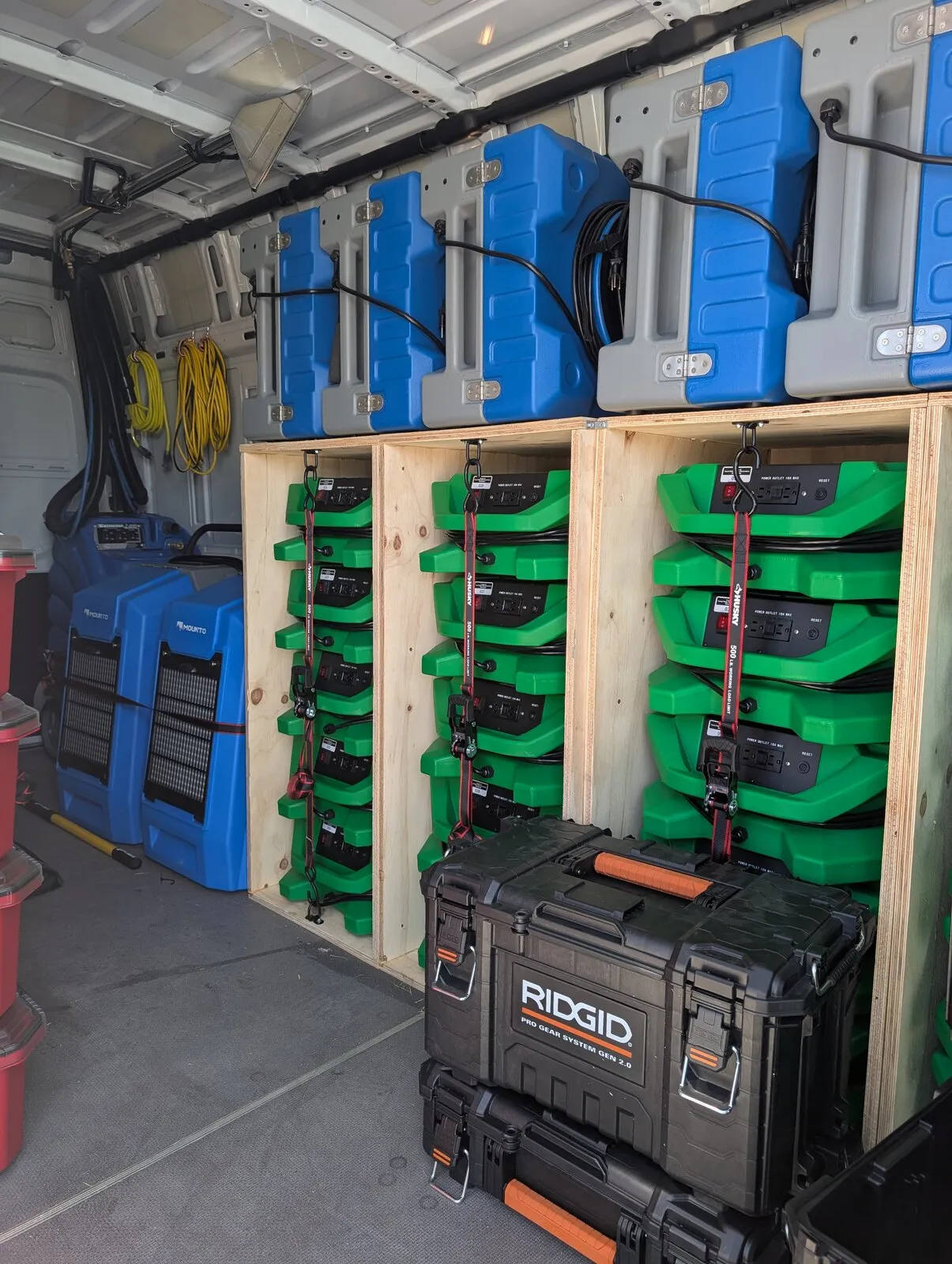
A thermal fogger carries deodorizer as a vapor into the paths the smoke took: wall cavities, cabinet interiors, the space behind the trim. Fogging comes at the end, once the material holding the smell has left the unit.
HEPA Air Scrubbing
HEPA air scrubbers pull the unit's air through filters while the walls are open and dust is moving, and keep running once the tear-out is finished.
Ducts and Air Handler
A camera scope goes down the runs, then rotary brushes and agitation tools work them out. We clean ductwork, not replace it.
Dry Sponge Pass
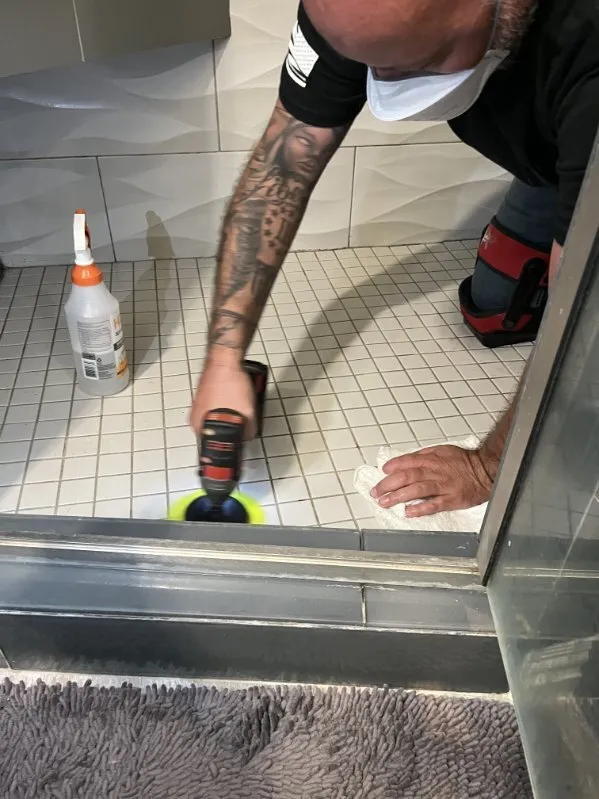
Dry chemical sponges lift residue off walls, ceilings, trim and cabinet interiors before any water gets near them. A wash follows where the finish will take it.
Contents and Pack-Out
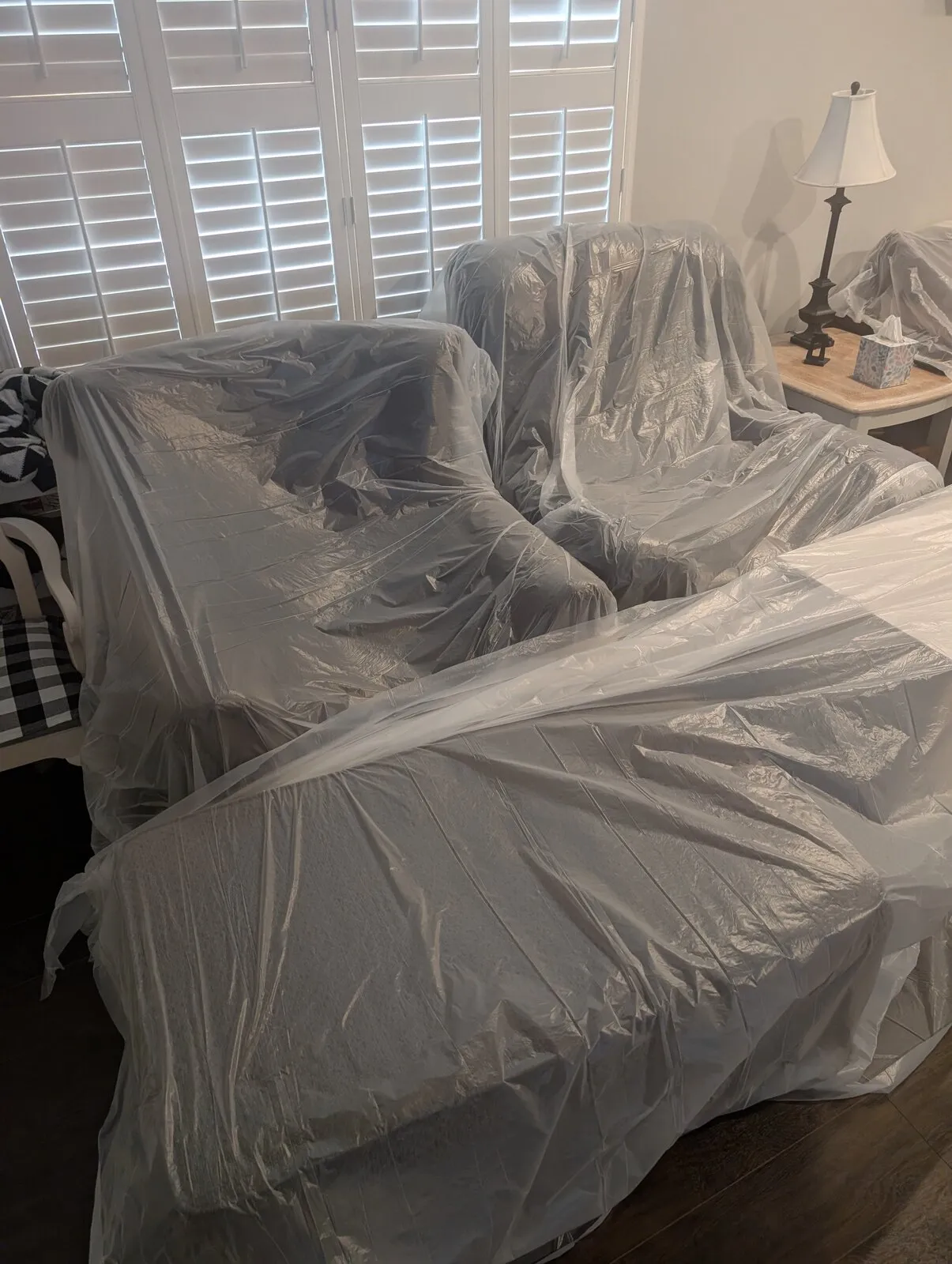
Contents get cleaned on site where they can be, and crated and moved to our own storage where they can't.
The On-Site Read
A room-by-room walk of the unit with you, naming where the smell concentrates and which materials are holding it.
Tear-Out
Carpet pad, drywall and insulation come out where they've absorbed it. Every material on that list is named in the scope before anything is cut.
The Written Scope
You get the scope in writing before the work starts, in a form you can forward to an owner or a manager.
Order of Work
How the Job Runs
Six steps, in this order. The two decisions that are yours are the scope and the finishes.
The Call
Tell us the unit, how we get in, and the date it has to be back on the market. The visit and the written scope don't cost anything.
The Walk-Through
On site, room by room. We check the closets, the cabinet boxes and the return before anyone puts a number on the job.
Contents Out
Whatever is still in the unit is dealt with before demolition starts. An empty room takes air movement and tear-out with nothing to work around.
Source Material Out
Carpet pad first, then the drywall and the insulation behind it, wherever the smell concentrates. How far that goes stays your call, and it's settled at the scope.
Surfaces, Air and Ducts
Order matters here. Dry cleaning comes before anything wet, the duct runs are done while the walls are still open, and the fogger goes in last.
Rebuild
Drywall hung, taped, finished and textured, then trim, paint and flooring. The crew that took the material out is the crew that puts it back.
Between Tenants
What a Turnover Decides
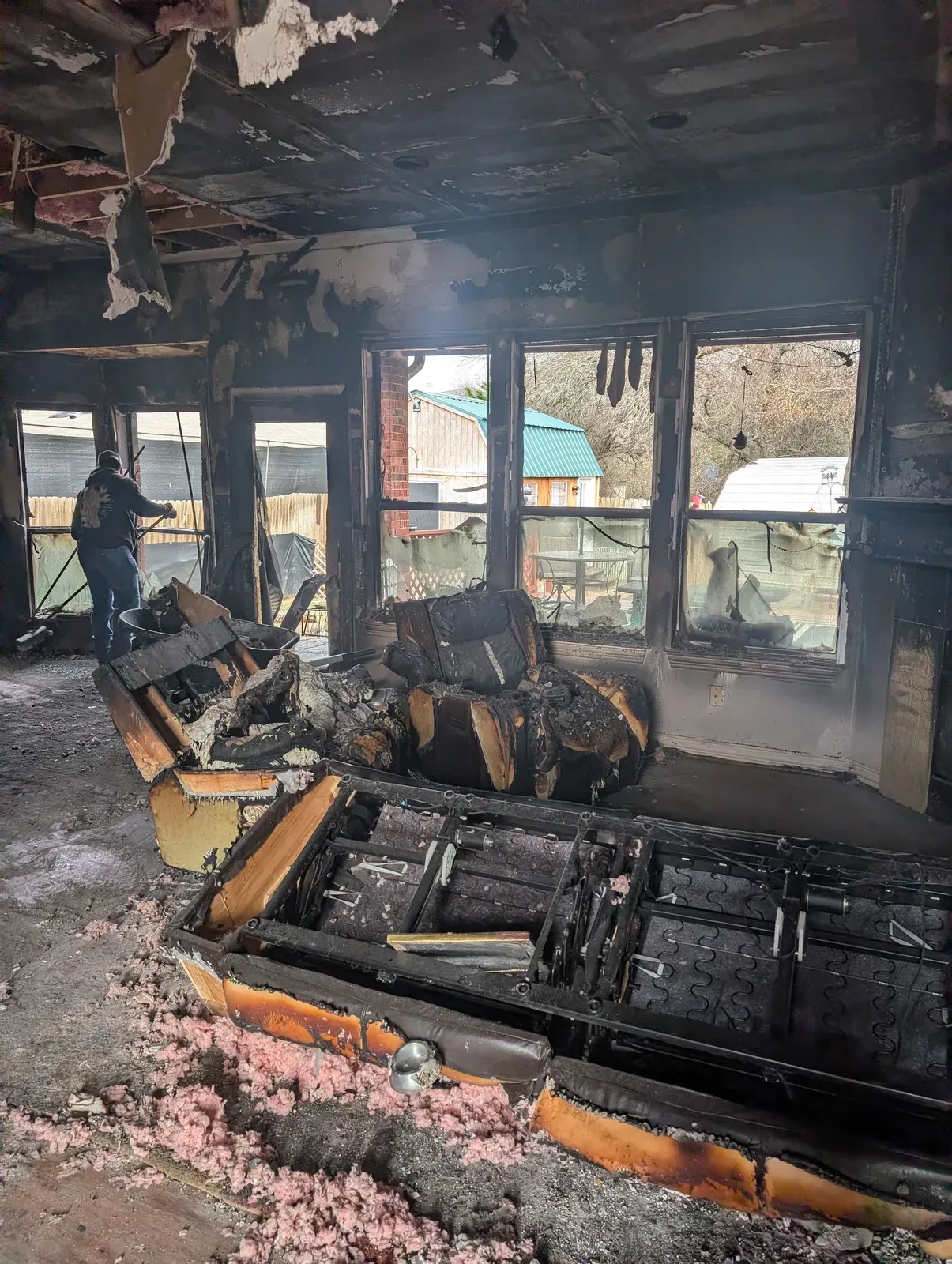
A turnover is a date and a unit that has to show, and that changes one decision more than any other: what's worth taking out, and what's worth cleaning where it sits. In a house somebody lives in, finishes stay if there's any way to keep them. In a vacant unit the carpet is already up and the wall is already bare, so pulling the material that absorbed the smoke is the smallest job it will ever be.
The air handler is the part a turnover can't leave alone. The return pulled smoke out of the rooms and the supply pushed it back into all of them, and the system keeps circulating what it collected into a space somebody is about to move into. So the runs get scoped with a camera before anyone decides how far that cleaning goes.
Removal and rebuild are one crew here. The people who take the pad and the drywall out are the people who put the flooring and the paint back, so a unit isn't standing bare waiting on another contractor's opening.
Call (903) 993-5663What Comes Out, and What Gets Cleaned
- Carpet and pad: out. The pad holds more of the smoke than the carpet above it.
- Drywall and insulation: out where the smell concentrates, which is often one wall in a unit.
- Cabinet boxes and closet shelving: cleaned in place, interiors included.
- Painted walls and ceilings: cleaned, and refinished where the paint won't take a wash.
- Vinyl plank, tile and subfloor: cleaned once the pad is up.
- Duct runs and the return: cleaned, and the ductwork stays in place.
- Blinds, fixtures and switch plates: cleaned by hand.
- Trim, doors and baseboard: cleaned, and out only where the wood took the smoke in.
Related Services
When the Smell Came From a Fire
If the smell came out of a fire, the job changes: residue you can see on the surfaces, a homeowner living in the house, and a claim behind the whole thing.
Fire & Smoke Damage
The hub for a fire loss, where the structure, the contents, the smoke and the rebuild are all one job.
Learn MoreSmoke Damage Cleanup
For residue sitting on surfaces and contents, including the rooms the fire never reached.
Learn MoreSmoke Odor Removal
Source removal after a fire, written for a homeowner working an insurance claim through to the rebuild.
Learn MoreSTILL GOT QUESTIONS?
Frequently Asked Questions
The questions that come up when a unit has to be back on the market. Call (903) 993-5663 and ask the ones that aren't here.
24/7 Emergency Response
Get the Smell Out Before the Unit Shows